



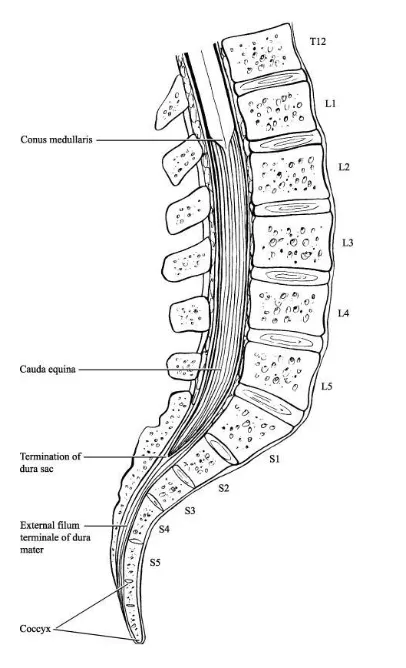
Table 1. Symptoms and Signs of Conus Medullaris and Cauda Equina Syndromes
Conus Medullaris Syndrome | Cauda Equina Syndrome | |
척추 레벨 | L1-L2 | L2-sacrum |
척수 레벨 | sacral cord segment (conus and epiconus) 와 roots의 손상 | Ilumbosacral nerve roots의 손상 |
증상발현 | 갑자기, 양측성 | 점진적, 단측성 |
반사 | Knee jerks preserved
ankle jerks affected
Areflexic lower extremities
(If the epiconus is involved, patellar reflex may be absent, whereas bulbocavernosus reflex may be spared.)
| Both ankle and knee jerks affected
Areflexic lower extremities; bulbocavernosus reflex is absent in low CE (sacral) lesions
|
증상과 징후의 심각성 | 대개 심각하지 않음 | 대개 심각함 |
증상과 징후의 대칭성 | 대개 대칭적 | 대개 비대칭적 |
통증 | 대개 항문주위에 양측성 통증 | Prominent, asymmetric, and radicular |
Radicular pain | 덜 심각함 | 심함 |
요통 | 더 심함 | 덜 심함 |
감각 증상과 징후 | 감각저하 증상은 항문주위에 좀더 국한됨; 대칭적이고 양측성 ; sensory dissociation occurs
대칭적 saddle distribution
Pin prik / 온도 감각 저하
촉각은 보전 | 감각저하증상은 saddle area에 좀 더 국한됨; 비대칭적, 단측성일 수 있음. ; no sensory dissociation;
하지의 특정 dermatome에 감각둔마 및 저림
페니스나 클리토리스를 포함한 pubic area에 감각저하 가능
Saddle anesthesia, may be asymmetric |
근력 | 전형적으로 대칭적인 hyperreflexic distal paresis of lower limbs that is less marked; fasciculations may be present
정상적 또는 경증~중등증의 위약 | 비대칭적 areflexic paraplegia that is more marked; fasciculations rare; atrophy more common
Weakness to flaccid paralysis (상당한 근력저하) |
발기부전 | 흔하다 | 덜 흔하다; erectile dysfunction that includes inability to have erection, inability to maintain erection, lack of sensation in pubic area (including glans penis or clitoris), and inability to ejaculate |
괄약근 기능 | Urinary retention and atonic anal sphincter cause overflow urinary incontinence and fecal incontinence; tend to present early in course of disease
Early and severe bowel, bladder, and sexual dysfunction that results in a reflexic bowel and bladder with impaired erection in males | Urinary retention; tends to present late in course of disease
Usually late and of lesser magnitude;
lower sacral roots involvement can cause bladder, bowel, and sexual dysfunction
|
EMG | Mostly normal lower extremity with external anal sphincter involvement | Multiple root level involvement; sphincters may also be involved |
Outcome | The outcome may be less favorable than in patients with CES | May be favorable compared with conus medullaris syndrome |
Table 2. Pain and Deficits Associated with Specific Nerve Roots
Nerve Root | Pain | Sensory Deficit | Motor Deficit | Reflex Deficit |
L2 | Anterior medial thigh | Upper thigh | Slight quadriceps weakness; hip flexion; thigh adduction | Slightly diminished suprapatellar |
L3 | Anterior lateral thigh | Lower thigh | Quadriceps weakness; knee extension; thigh adduction | Patellar or suprapatellar |
L4 | Posterolateral thigh, anterior tibia | Medial leg | Knee and foot extension | Patellar |
L5 | Dorsum of foot | Dorsum of foot | Dorsiflexion of foot and toes | Hamstrings |
S1-2 | Lateral foot | Lateral foot | Plantar flexion of foot and toes | Achilles |
S3-5 | Perineum | Saddle | Sphincters | Bulbocavernosus; anal |
Table 3. Root and Peripheral Nerve Innervation of the Lumbosacral Plexus
Muscle | Nerve | Root |
Iliopsoas | Femoral | L2, 3, 4 |
Adductor longus | Obturator | L2, 3, 4 |
Gracilis | Obturator | L2, 3, 4 |
Quadriceps femoris | Femoral | L2, 3, 4 |
Anterior tibial | Deep peroneal | L4, 5 |
Extensor hallucis longus | Deep peroneal | L4, 5 |
Extensor digitorum longus | Deep peroneal | L4,5 |
Extensor digitorum brevis | Deep peroneal | L4, 5, S1 |
Peroneus longus | Superficial peroneal | L5, S1 |
Internal hamstrings | Sciatic | L4, 5, S1 |
External hamstrings | Sciatic | L5, S1 |
Gluteus medius | Superior gluteal | L4, 5, S1 |
Gluteus maximus | Inferior gluteal | L5, S1, 2 |
Posterior tibial | Tibial | L5, S1 |
Flexor digitorum longus | Tibial | L5, S1 |
Abductor hallucis brevis | Tibial (medial plantar) | L5, S1, 2 |
Abductor digiti quinti pedis | Tibial (lateral plantar) | S1, 2 |
Gastrocnemius lateral | Tibial | L5, S1, 2 |
Gastrocnemius medial | Tibial | S1, 2 |
Soleus | Tibial | S1, 2 |
원인
Intrinsic tumor
infarction
Extrinsic cord compression
척수경색
척수원뿔경색은 3가지의 형태로 분류할 수 있다. T9 전척수동맥의 혈류저하에 의한 것은 척수원뿔의 말단부위의 경색이 생기며, L1 후척수동맥의 혈류저하에 의한 것은 척수원뿔의 근위 부위의 경색이 생기고, 전신적인 혈류저하에 의한 것은 척수원뿔 전체에 경색이 생기는 것으로 알려져 있다
