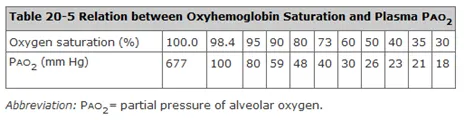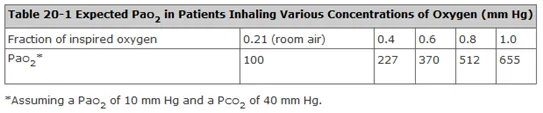
I. Hypoxemia
1. 용어정의
1) Hypoxia : 조직으로 산소가 충분히 가지 못함을 말함.
- 조직에 공급되는 양 : 동맥혈 산소 함유량 과 조직의 혈류량에 의해 결정
- low cardiac output, low Hb concentration, low SaO2 경우 발생
2) Hypoxemia : 비정상적으로 낮은 동맥의 산소장력.
- 심박출량이 정상적인 대부분의 경우 hypoxemia는 hypoxia의 가장흔한 원인.
- 일반적으로 PaO2 <60 mm Hg로 정의
- alveolar arterial (A-a) oxygen : 상대적 저산소혈증을 평가
 폐포내 산소가 순환혈액에 얼마나 잘 전달되는지를 측정하는 것. normal P(A-a)O2 : <10 mm Hg(young, healthy patients), 나이가 증가 함에 따라 증가
- 건강하고 증상이 없고 사람이 앉아있거나 서 있는 상태서 측정.
나이 증가에 따른 P(A-a)O2증가 공식 = 2.5 + 0.21 (age in years) (±11). increased P(A-a)O2 : 누워있는 상태 및 많은 만성적인 심혈관 내지 호흡기 질환- 응급실의 많은 환자들이 자세나 만성적 기저 질환으로 인해 상승
--> 평가에 어려움이 있다.
II. Pathophysiology
•
Hypoxemia : 아래와 같은 5개의 기전이 복합되어 나타난다.
1. hypoventilation: increased PaCO2 and normal A-a gradient
2. Right-to-left shunt:
1) 혈액이 폐환기를 거치기 않고 전신순환 동맥으로 유입되는 것이다.
2) increased A-a O2 gradient
3) pulmonary consolidation, pulmonary atelectasis, vascular malformation
4) 산소를 공급해도 arterial oxygen level은 상승하지 않음.
3. ventilation-perfusion(V/Q) mismatch
1) 환기나 관류의 국소적인 변화를 유발하는 어떠한 이상 상태.
2) pulmonary emboli, pneumonia, asthma, COPD, extrinsic vascular compression
3) increased A-a O2 gradient
4) improve with supplemental oxygen
4. Diffusion mismatch
1) increased A-a O2 gradient
2) improve with supplemental oxygen
3) 실제 인간에서 Diffusion mismatch 단독으로 임상적으로 의미있는 Hypoxemia발생 X
5. low inspired oxygen
1) A-a gradient normal
2) improves with supplemental oxygen
•
Harrison 16th Table 234-5 (18th에는 없어졌지만 문제를 해결하는데는 필요해서- Compensatory mechanisms for hypoxemia

Acute : PaO2 60mmHg에 이르면 활성화되고, PaO2 20mmHg이하로 감소하면 작용하지 하지 않는다.
1. minute ventilation increases
2. pulmonary arterial vasoconstriction decreases perfusion to hypoxic alveoli
3. sympathetic tone increases and improves oxygen delivery by increasing
cardiac output, usually with an increased heart rate.
Chronic
1. increased red blood cell mass|
2. decreased tissue oxygen demands
III. Diagnosis
- ABGA로 진단 가능(Hypoxemia : PaO2 <60 mm Hg)
- pulse oximetry : 선별검사로 유용
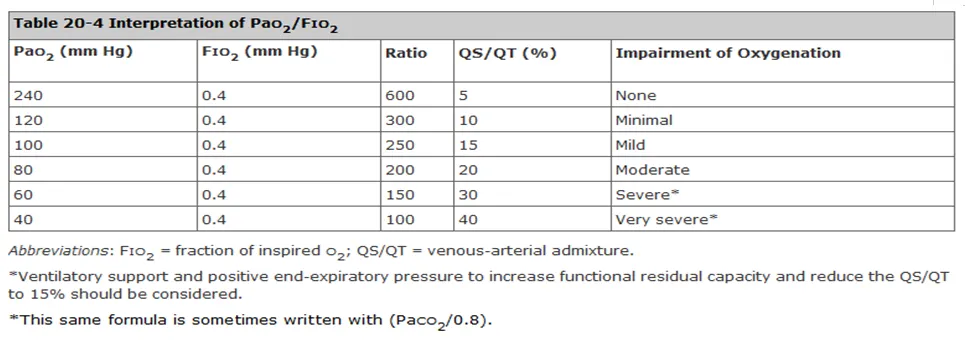
•
정상은 500 ~ 600, lung oxygenation을 측정함.
•
300 이하이면 ALI, 200 이하이면 ARDS
•
500~600일때 plumonary shunt(QS/QT) 3~5%, <200일때 QS/QT 약 20% 로 반비례 아님.
IV. Treatment
- initial approach : 질환에 상관없이 같다.
∎ 기도유지 및 산소 공급 (목표 : PaO2 >60 mmHg)
- right-to-left shunts제외하곤 산소공급에 반응한다.
참고적임 표.(문제풀이에 참고)